
24
Dec 2024
Reducing Environmental Impact: Sustainable Solutions for Large Systems
In today’s world, sustainability has become a critical issue. Reducing environmental impact is no longer a luxury but a necessity, especially in industrial sectors where energy and resource consumption are high. Recognizing our responsibility to nature is essential, and while the challenges may seem significant, there are many ways to reduce the negative environmental impact—especially for systems that manage climate and energy in large buildings.
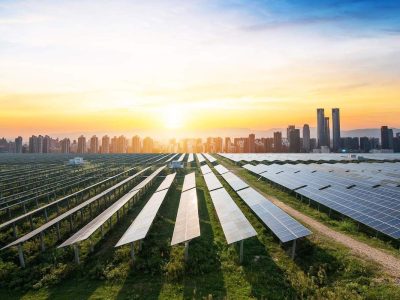
One of the first steps in reducing environmental impact is transitioning to energy-efficient heating, cooling, and ventilation systems. Installing advanced HVAC solutions that use renewable energy sources can significantly reduce harmful emissions and the consumption of fossil fuels. Solar panels, geothermal systems, and energy recovery systems are becoming increasingly popular and efficient ways to decrease carbon footprints in industrial settings.
Using environmentally friendly materials in the construction and maintenance of buildings is another crucial step. By applying sustainable materials and technologies when building climate systems, it’s possible not only to reduce negative environmental impacts but also to ensure long-term efficiency and savings. Optimizing the use of resources like water and energy in large facilities also contributes to sustainability.
Promoting initiatives that reduce waste and increase efficiency is also important. Solutions such as energy recycling systems and using smart technologies to monitor and control consumption can greatly reduce the ecological footprint. Implementing these technologies in climate control and energy infrastructure makes buildings not only more efficient but also allows for quicker decision-making to further reduce emissions and consumption.
Reducing environmental impact is not only a responsibility but an opportunity for entrepreneurs to improve efficiency and save costs. A commitment to sustainability brings long-term benefits, making buildings more energy-efficient, reducing expenses, and increasing competitiveness in the market.
Investing in sustainable technologies and systems that protect nature isn’t just about environmental protection—it’s about creating a profitable and responsible future for the generations to come.
24
Jan 2025
Solar Panels: Sustainable Energy for the Future
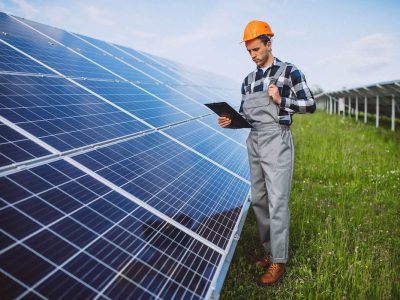
Solar panels are one of the most efficient and sustainable ways to harness renewable energy sources. In recent decades, as awareness about the need to reduce harmful gas emissions and protect the environment has grown, solar energy has become increasingly popular as an alternative energy source for homes and businesses.
Solar panels use sunlight and convert it into electrical energy. This process is based on the photovoltaic effect, where sunlight falling on photovoltaic cells within the panel generates an electrical voltage. The energy produced can be used to power all electrical devices in a household or business, significantly reducing electricity bills.
One of the greatest advantages of solar panels is their ecological efficiency. Solar panels do not pollute the environment, emit harmful gases, or consume natural resources. By using the energy the sun provides us for free, we reduce dependence on fossil fuels and contribute to the reduction of global warming.
In addition to ecological benefits, solar panels offer significant economic advantages. Although the initial investment in installing a solar system is higher, in the long run, they bring substantial savings in energy consumption. Over time, solar panels pay off through lower monthly electricity bills, and in many countries, there are subsidies and tax breaks that make this technology even more accessible.
Installing solar panels also increases the value of a property. As there is growing demand for energy-efficient and environmentally-friendly options, homes and buildings with solar systems become more attractive in the real estate market.
In conclusion, solar panels are not only a technologically advanced and environmentally-friendly way to generate energy, but also a smart financial choice. Investing in solar energy is a step toward a more sustainable future, both for us and for future generations.